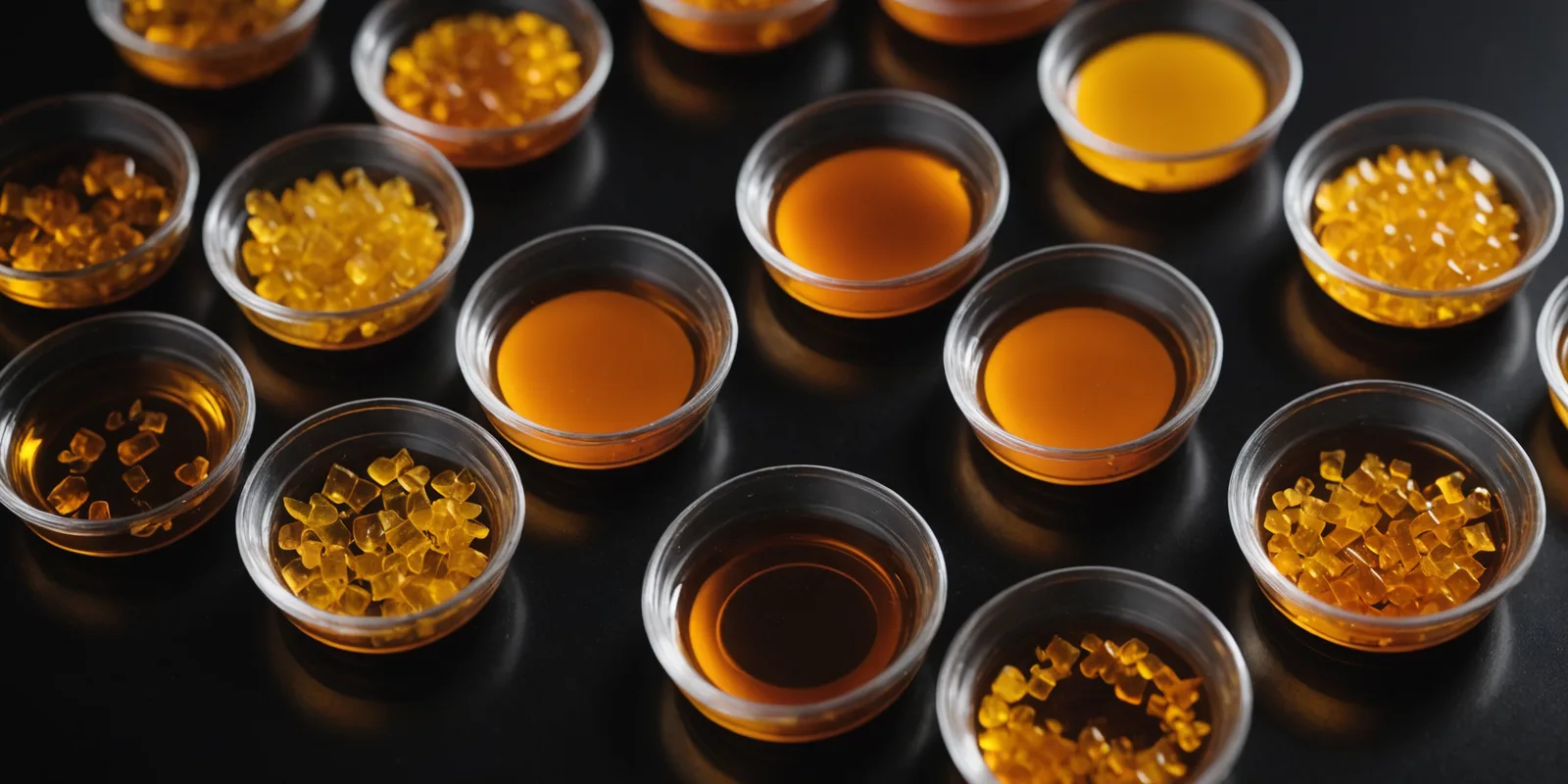
The formulation tool we could not find
Founded in 2024 at Weizmann Science Park in Rehovot, Celleste addresses the iteration challenge in cultivated bio-material development. We work on formulation systems where trial and error is standard and predictive tools are absent.
Scientists and engineers in this field
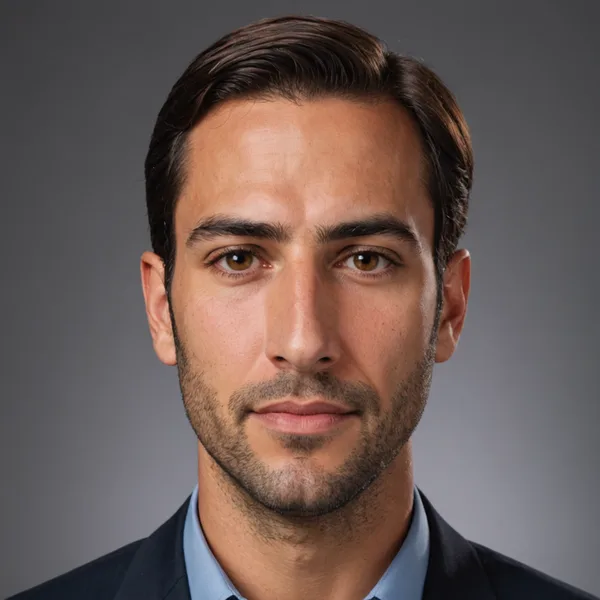
Avishai Levy
CEO & Co-Founder
Avishai Levy works across materials science and product development, focusing on bio-based material systems. He co-founded Celleste to create the generative design tools missing from his lab work.

Noa Ben-David
CTO & Co-Founder
Noa Ben-David developed computational simulations for polymer and composite material design before co-founding Celleste. She focuses on uncertainty quantification, Bayesian methods, and confidence intervals grounded in data.
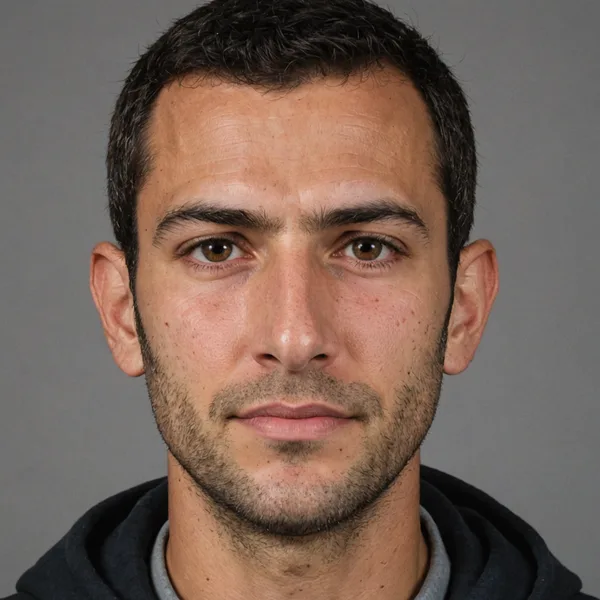
Rafael Stern
Head of Science
Rafael Stern works in cell-culture formulation development involving bio-polymer and protein-based materials. He leads scientific validation to keep Celleste aligned with practical materials-lab needs.
Weizmann Science Park, Rehovot
Celleste operates at Weizmann Science Park, beside the Weizmann Institute of Science campus in Rehovot. This setting places materials science and life sciences research nearby, linking Celleste's development with problems scientists are actively addressing.
8 HaMada Street Weizmann Science Park Rehovot 7610001, Israel [email protected] +972 8 936 7710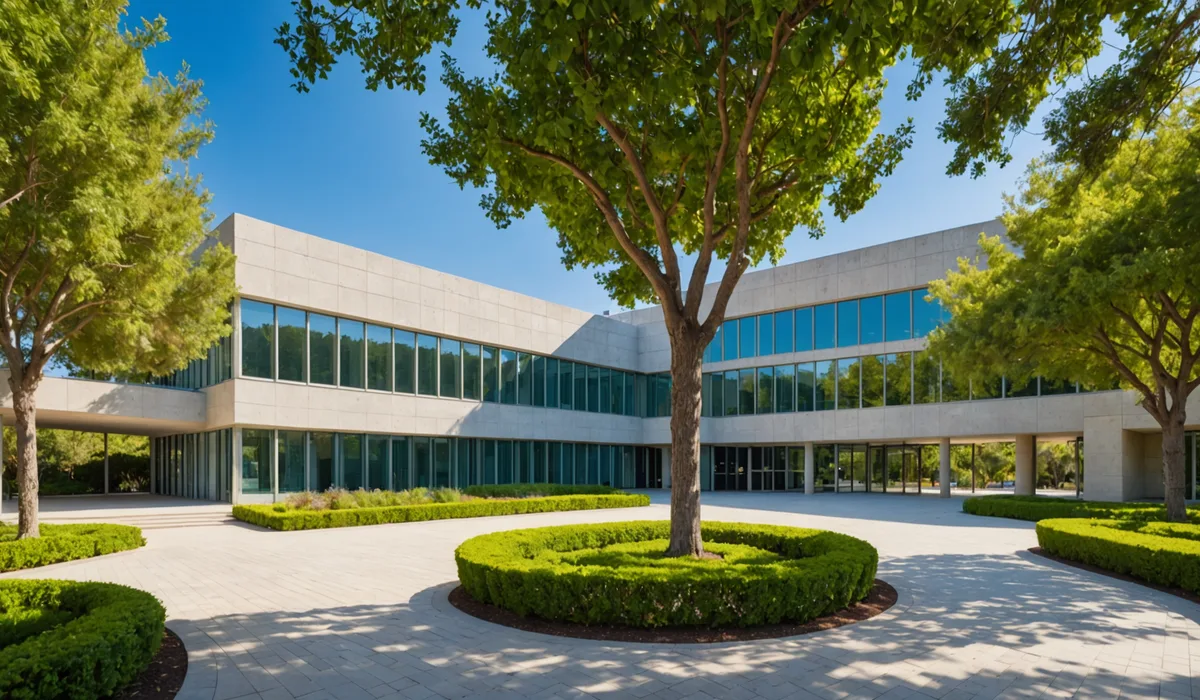
Scientific honesty over marketing
Calibrated confidence
We report confidence intervals only when they are calibrated against real data. Precision without validation is worse than providing no number.
Small inputs, useful outputs
Many early-stage materials labs do not have hundreds of labeled batches. Celleste aims to produce useful predictions from the data a real lab has, rather than an idealized dataset.
Iteration speed is the goal
Success means moving quickly from a formulation problem to a validated sample. We measure that progress and say when our tool is not improving it.