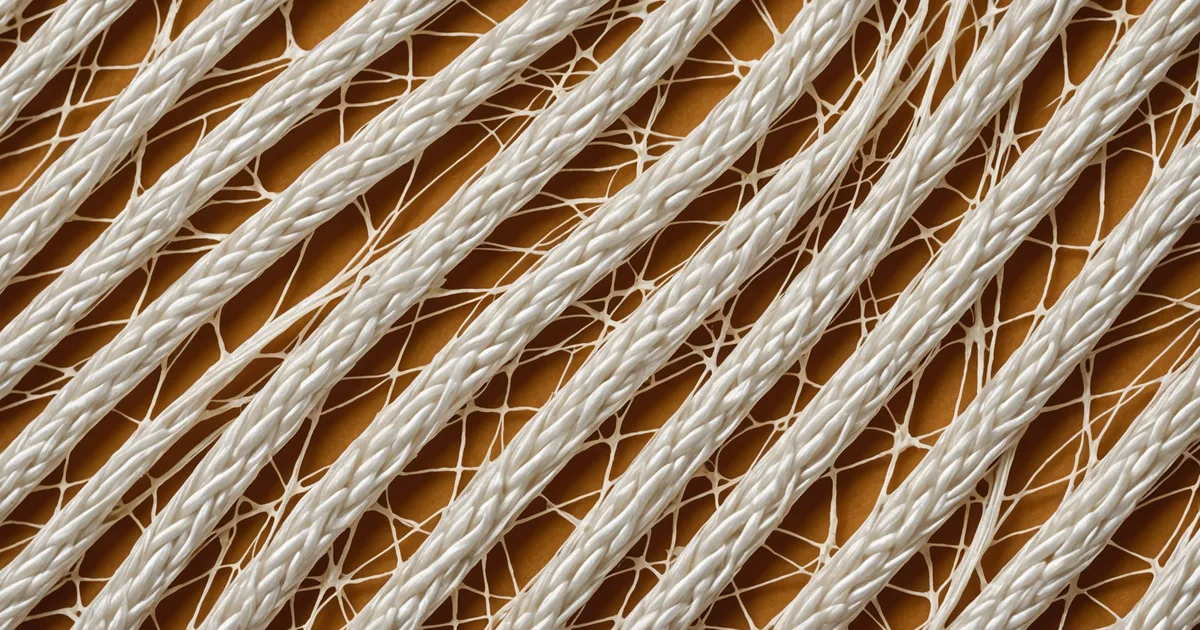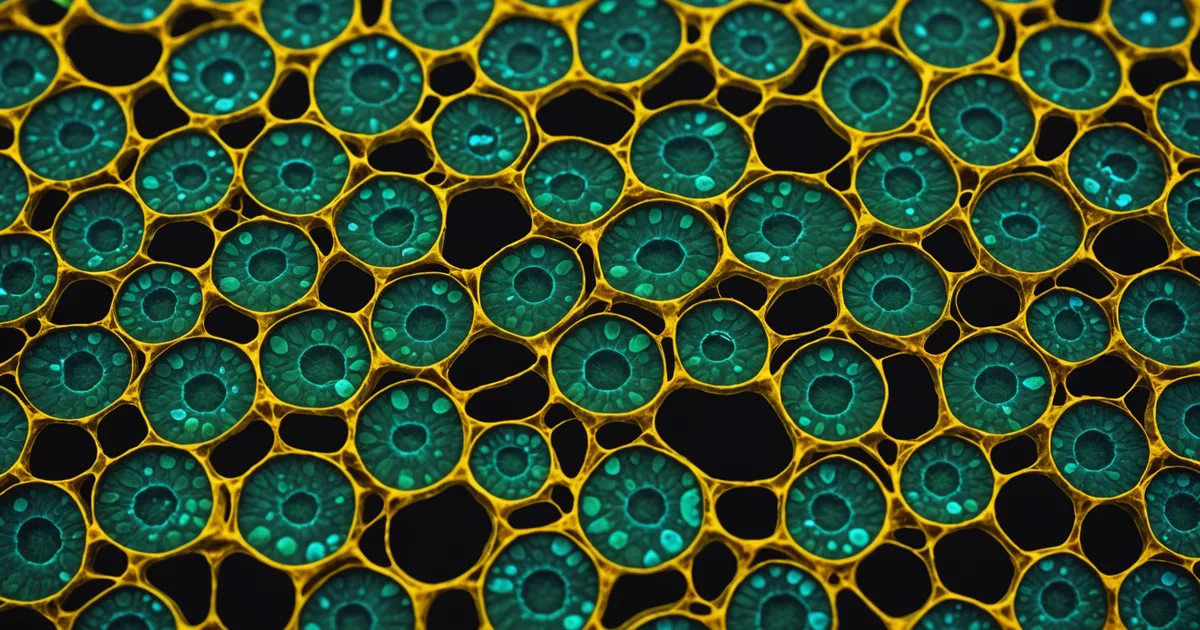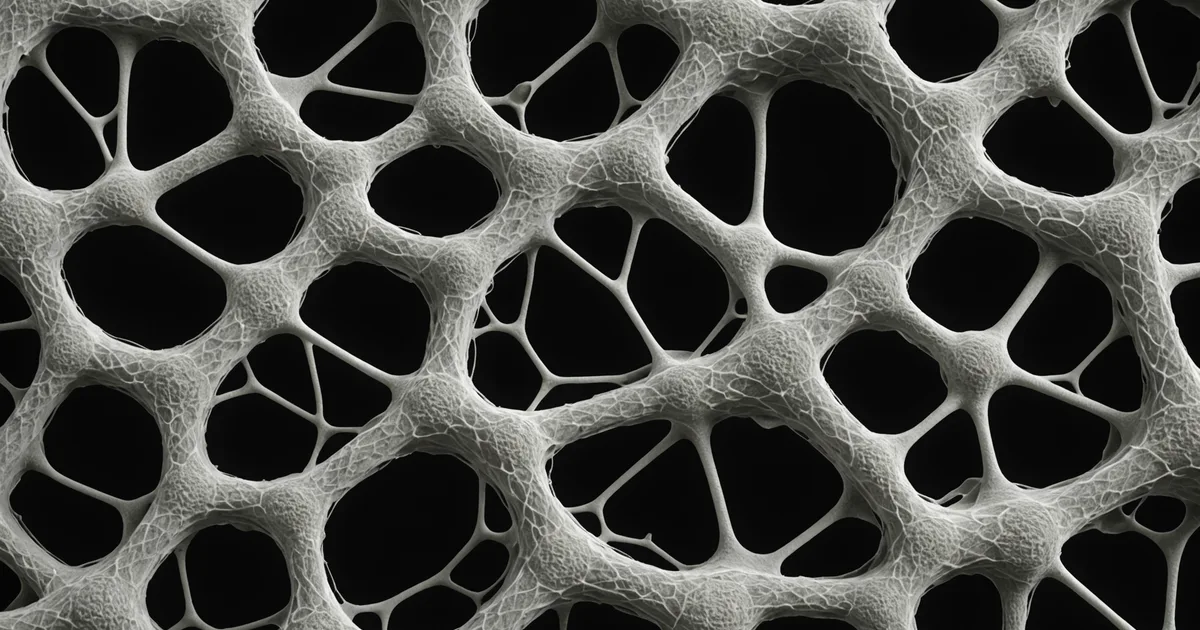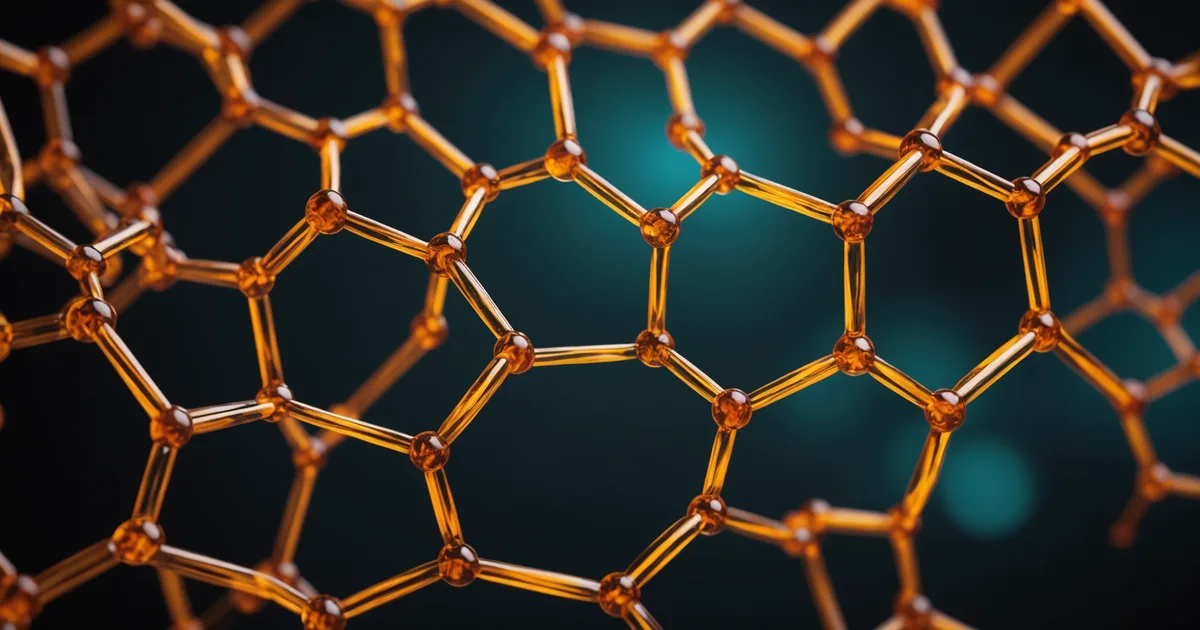
Weak interface coupling can cause delamination under cyclic loading in a protein-polymer composite. The same interface can also become too constrained, compromising cell attachment and migration. These failures are not visible in the starting composition alone.
Bio-material formulation usually draws from protein biochemistry, with its focus on structure and function, or polymer science, with its focus on chain architecture, crosslinking, and bulk mechanics. Protein-polymer composites fall between those traditions, and guidance from one can conflict with the assumptions of the other.
At Celleste, we work with collagen-synthetic polymer blends, fibrin-polyethylene glycol hybrids, and gelatin-polylactic acid interpenetrating networks. This post covers the composition variables that matter in practice and why their design rules cannot be added together from the two parent fields.
The interface problem
The main formulation challenge is the boundary between the biological and synthetic phases. Protein domains interact with synthetic polymer chains through hydrogen bonding, electrostatic interactions, and sometimes covalent conjugation. The resulting interface properties cannot be inferred from the bulk properties of either component alone.
This matters because the interface controls mechanical integrity under cyclic loading and cell-material interaction. Weakly coupled phases may delaminate or show hysteresis during repeated loading. An over-constrained interface can block the conformational changes cells use to remodel their matrix, compromising cell attachment and migration.
Polymer science describes mechanical coupling through compatibilization and cross-phase entanglement. Protein biochemistry describes cell-material interaction through integrin ligand density and matrix metalloproteinase accessibility. When setting one formulation, these requirements often pull in opposite directions.
Variables spanning protein and polymer frameworks
In our experience, three composition variables consistently affect protein-polymer composite properties: protein-to-polymer mass ratio, coupling agent type and concentration, and protein domain preservation.
Protein-to-polymer mass ratio is the clearest control. More protein usually means more biological activity, including integrin binding sites and protease cleavage sequences, but reduces the synthetic phase contribution to mechanics. Load-bearing scaffolds typically use 20-40% by mass protein, while soft tissue or cell encapsulation scaffolds may use 50-70% when biological activity matters more than stiffness.
Coupling agent choice is often underweighted in formulation protocols. EDC/NHS creates covalent amide bonds between carboxyl and amine groups, integrating the interface mechanically while consuming groups that may contribute to cell interaction. Genipin forms gentler, more flexible crosslinks, but its kinetics depend on temperature and pH. In heterogeneous composites, where coupling occurs can matter as much as total coupling density.
Protein domain preservation is the third variable and is often missed during optimization. Composite processing conditions, including pH, temperature, and ionic strength, can partly denature fibrillar proteins and expose cryptic sequences. Those changes can affect mechanics and biological behavior unpredictably. Identical nominal compositions may therefore behave differently when protein conformation varies between batches.
Celleste's composition-space framework
For property prediction, we represent protein-polymer composites with a two-layer representation. The composition layer contains the quantitative variables above, along with co-solvent concentrations, buffer conditions, and process temperatures. The connectivity layer represents the probable distribution of coupling between phases, estimated from reaction chemistry and stoichiometry.
Connectivity is partly inferred because routine measurement of cross-phase coupling density is uncommon. We estimate it from coupling agent stoichiometry relative to available functional groups, then apply empirical corrections for the particular protein-polymer pairing. The inference is imperfect, so prediction confidence is lower for systems using unusual coupling chemistries.
Unlike a simple composition vector, this representation captures some interactions between variables. High protein fraction with high coupling density will not behave like high protein fraction with low coupling density, even when the composition ratios match. The connectivity layer distinguishes those cases.
Unavoidable protein-polymer tradeoffs
Some formulation tradeoffs are fundamental. The clearest is swelling versus stiffness. Composites that retain mechanical properties during hydration generally restrict swelling, which can affect nutrient and waste transport in cell culture. Crosslink density governs the relationship, creating tension between mechanical stability and adequate mass transport.
Sterilization compatibility also competes with mechanical integrity. Many protein-polymer composites degrade measurably under gamma sterilization. Ethylene oxide is gentler to the protein component but leaves residues that affect cell culture. Autoclaving is incompatible with most protein-containing systems. The sterilization method therefore constrains formulation and may lower the attainable mechanical ceiling.
We are not saying these tradeoffs belong only to composites. Pure polymer scaffolds also face swelling versus stiffness. We are saying the balance differs because the protein and polymer phases respond differently to the same crosslinking chemistry. The preferred crosslink density for one phase may not suit the other.
A note on literature translation
When building a composite formulation from published work, first identify which body of literature you are using. A collagen-PEG paper focused on mechanics may use different coupling chemistry, molecular weight fractions, and testing geometry from a paper on cell adhesion in a similar system. Matching component names do not make the composition ratios comparable.
Within Celleste, we keep formulation records for details often absent from published methods: coupling agent lot, protein source and supplier, synthetic polymer molecular weight distribution, and buffer composition during composite formation. These parameters influence whether a formulation reproduces a reported result, yet methods sections rarely specify them fully.
Accumulated internal data, including failed batches, can be more useful than literature mining for this problem. Well-documented failures show where the formulation space reaches its limits. Published data often omits failure modes, making a reliable composition-property map difficult to construct from literature alone.